

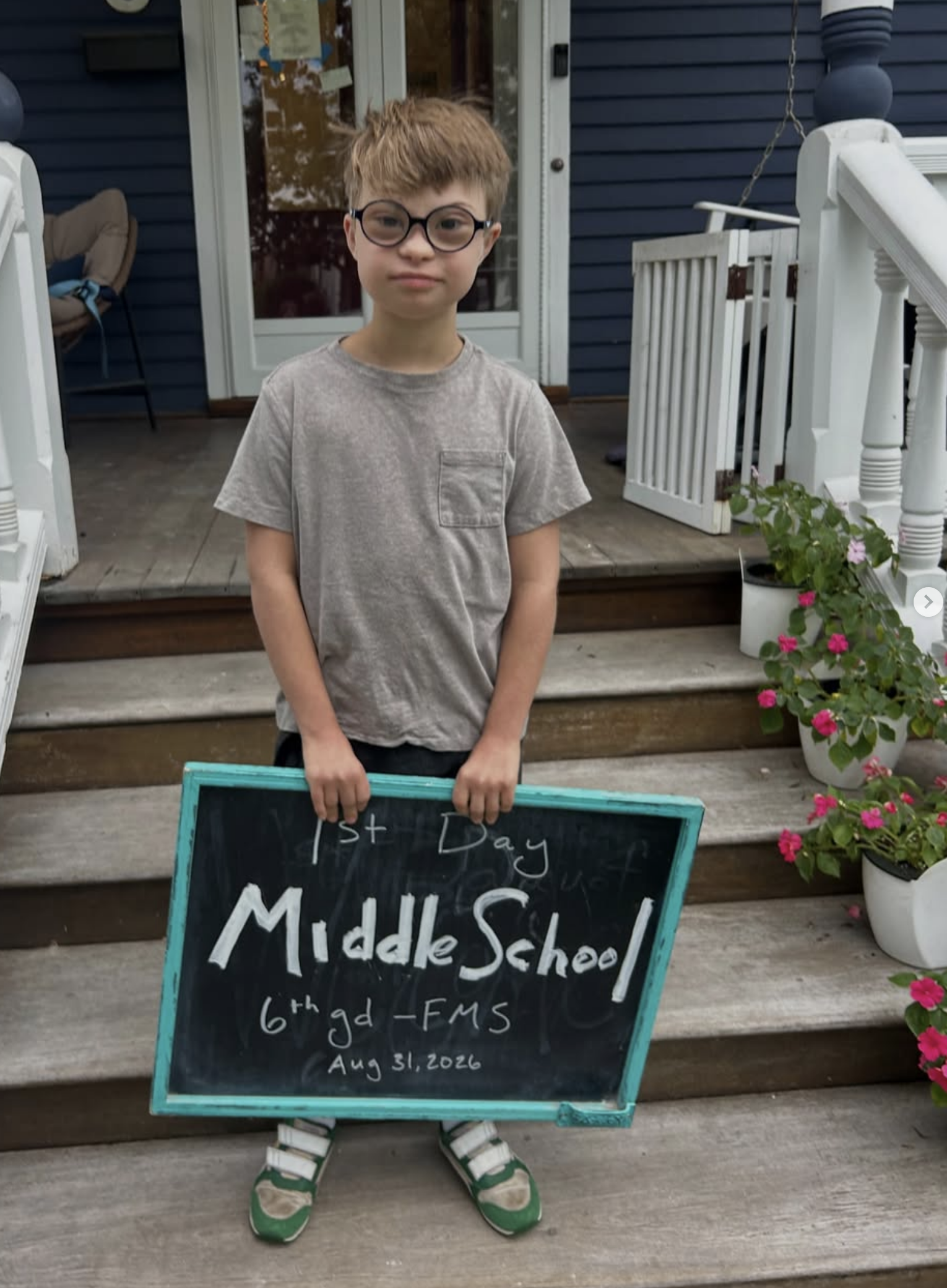
“Inclusion says you’re allowed to be here. Belonging says this is your place.”
In this episode, we’re exploring the difference between being included and being genuinely known, wanted, and valued. We share real-life examples from school, church, dance, friendships, and community spaces—and discuss why simply offering access or accommodations isn’t enough.
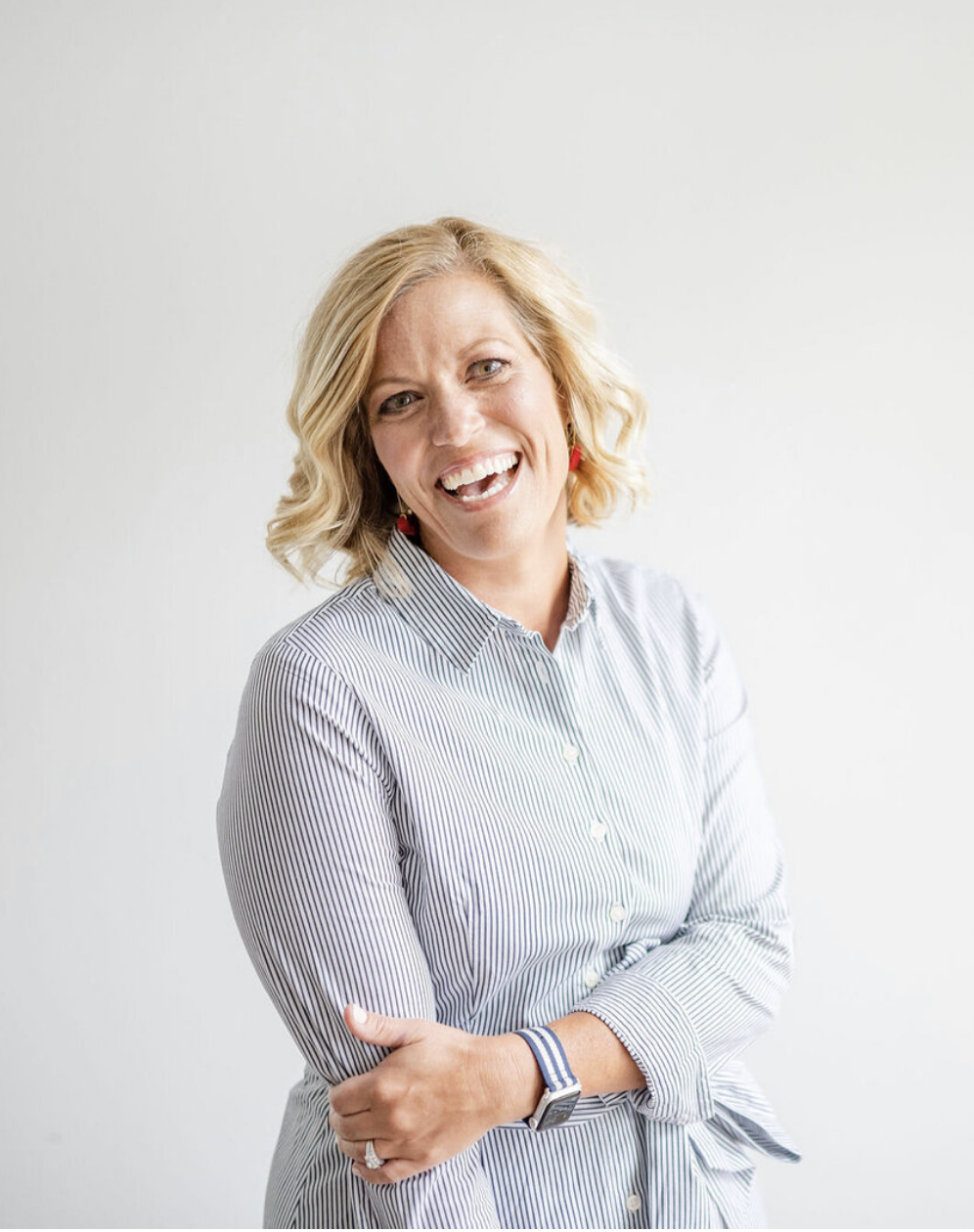
Disability policy can feel complicated and overwhelming—but these decisions directly affect the healthcare, education, services, and civil rights of people with disabilities.
Today, Heather is joined by attorney, IEP expert, and longtime friend of the podcast Ashley Barlow. Together, they break down current changes and challenges surrounding Section 504, community living, Medicaid, and special education—and explain why families need to pay attention.
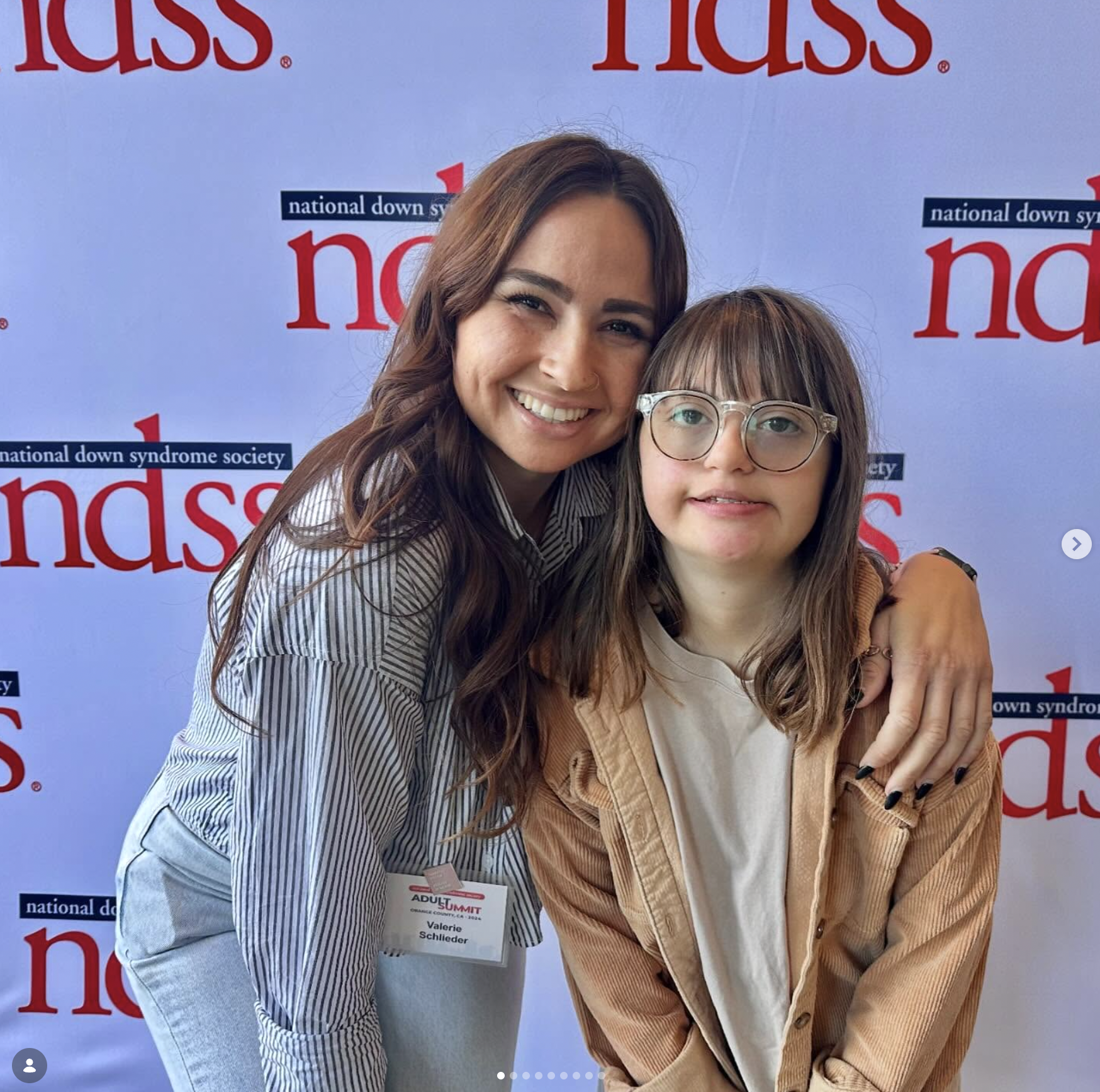
What does it really look like to honor the autonomy of adults with Down syndrome—not just in theory, but in everyday life?
Today we’re joined by our former producer, occupational therapist, sibling, friend, and advocate Dr. Val Schlieder for a conversation about autonomy, infantilization, and the dignity of risk.
Today, Heather sits down with professional organizer, Enneagram coach, and fellow Down syndrome mom Angela O’Brien to talk about creating organization that supports the life you actually have.
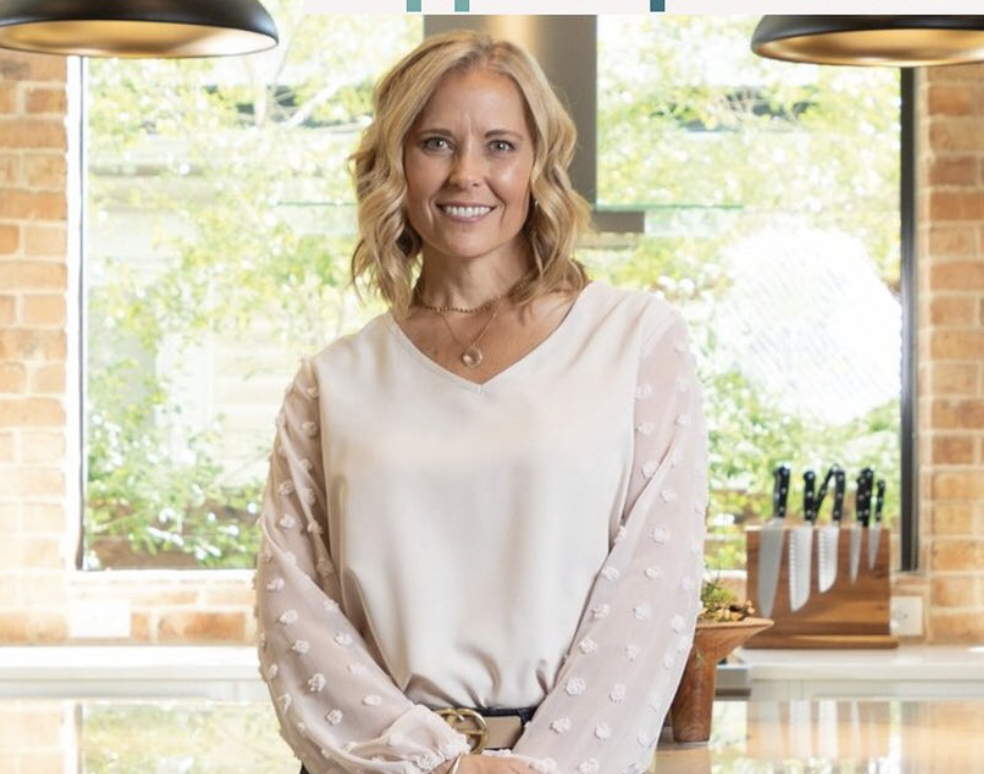
Back-to-school season brings more than new supplies and schedules—especially when you’re raising a child with Down syndrome. There are IEPs, appointments, transportation plans, medical information, therapies, emails, paperwork, and approximately 47 things nobody else in your house seems to remember.
Today, Heather sits down with professional organizer, Enneagram coach, and fellow Down syndrome mom Angela O’Brien to talk about creating organization that supports the life you actually have.
Back-to-school season can bring a lot more than new backpacks, school supplies, and first-day photos—especially when you’re raising a child with Down syndrome.
In this episode, Heather, Micha, and Mercedes talk honestly about the complicated feelings that come with starting a new school year. From new teachers and IEP meetings to inclusion, friendships, behaviors, and the pressure to make sure our kids have the opportunities they deserve, sometimes “back-to-school anxiety” is really a mix of fear, grief, frustration, comparison, and the exhaustion of knowing how much advocacy may be ahead.
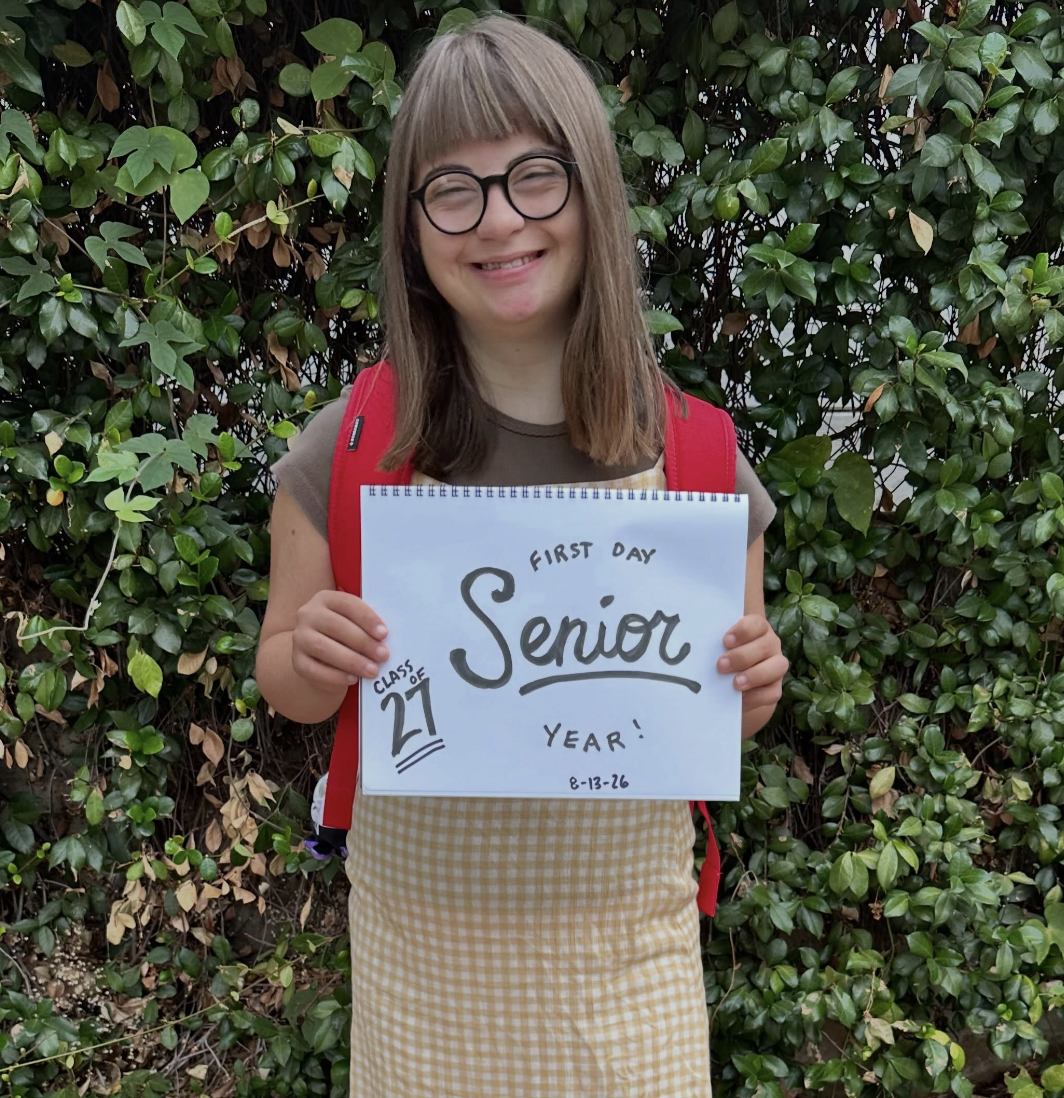
Back-to-school season can bring a lot more than new backpacks, school supplies, and first-day photos—especially when you’re raising a child with Down syndrome.
In this episode, Heather, Micha, and Mercedes talk honestly about the complicated feelings that come with starting a new school year. From new teachers and IEP meetings to inclusion, friendships, behaviors, and the pressure to make sure our kids have the opportunities they deserve, sometimes “back-to-school anxiety” is really a mix of fear, grief, frustration, comparison, and the exhaustion of knowing how much advocacy may be ahead.
We’re back! After a three-month summer break, we’re catching up on some of the biggest conversations, stories, and moments that happened across the Down syndrome community while we were away.
We start with a difficult conversation surrounding YouTuber Jesse Ridgway and his wife Ashley, who publicly shared their prenatal Down syndrome diagnosis and decision to terminate their pregnancy. We talk about the weight of sharing deeply personal moments online, the pressure advocates can feel to respond publicly, and the misinformation and fear that still surround a Down syndrome diagnosis.
In this final episode of our “What I Wish I Knew” series, we’re taking a step back to reflect on advocacy—what it’s looked like for us over the years, what’s changed, and what we wish we understood earlier.
We talk honestly about the emotional weight of advocating for our kids with Down syndrome, the tension of speaking up in systems that don’t always listen, and the growth that comes from learning to trust your instincts.
From early parenting moments to IEP meetings and navigating social media, this conversation explores the complexity of advocacy—how it evolves, where it gets messy, and why it’s never just one moment, but a lifelong process.
Listen to 330. What We Wish We'd Known About Advocacy
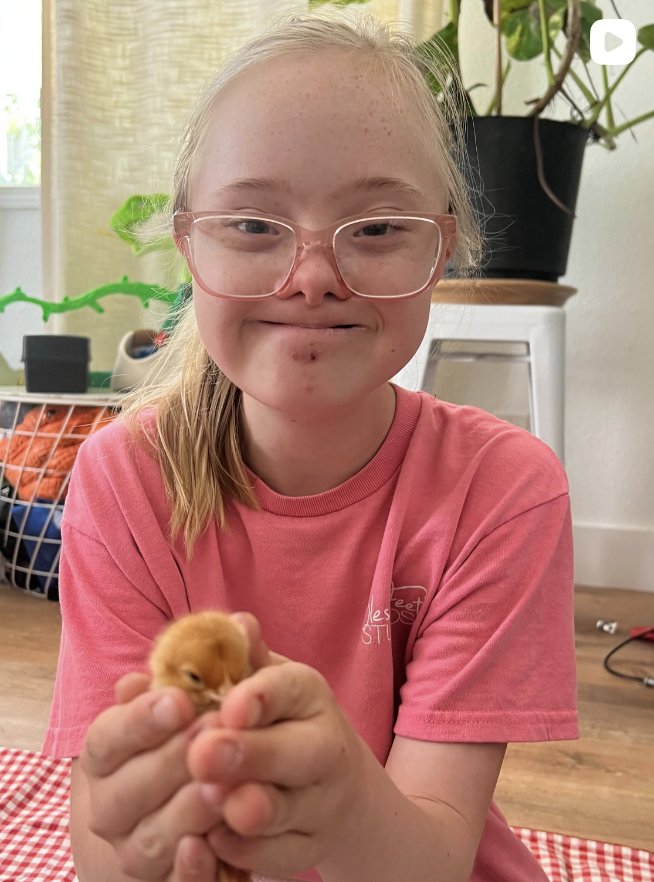
In this episode of our “What I Wish I Knew” series, we’re talking about functional medicine—what it is, what’s helped us, and what we wish we understood earlier.
We share real experiences navigating diet changes, supplements, specialists, and the cost of it all, while exploring a whole-body approach that looks beyond symptoms.
We also talk about how to integrate functional and traditional medicine without feeling like you have to choose one or the other.
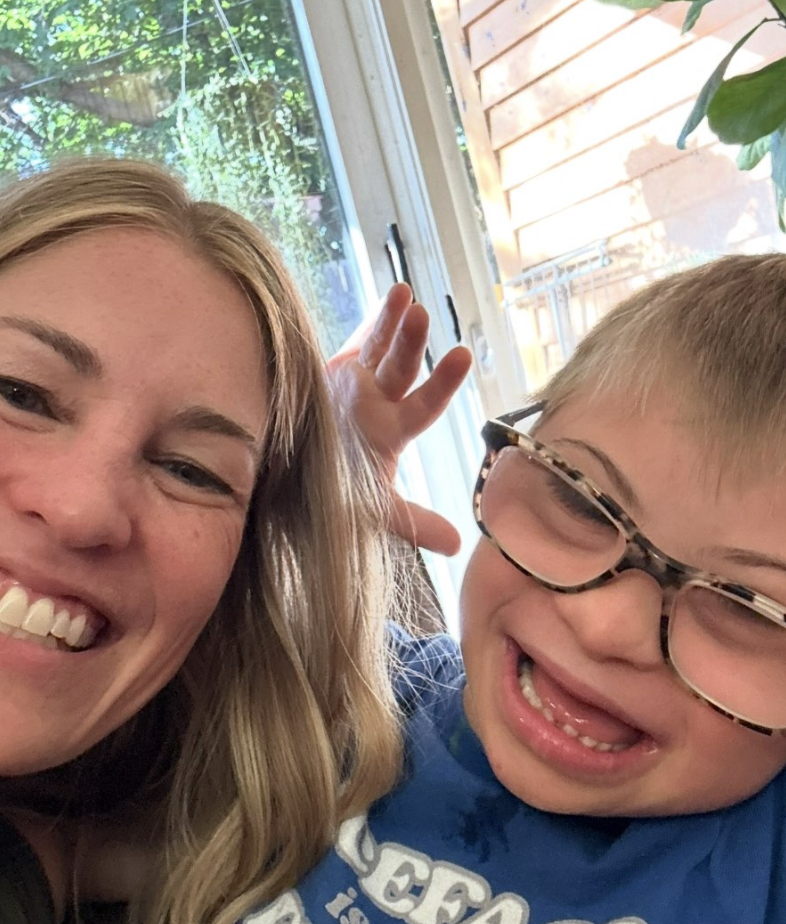
In this episode of The Lucky Few Podcast, we continue our “What We Wish We’d Known” series with a real and honest conversation about AAC (Augmentative & Alternative Communication) - Supporting Communication Without Limiting It
Micha shares her journey with her son Ace and how her understanding of AAC has evolved over time—from treating it like a therapy tool to recognizing it as a language and a way of life. Along the way, we talk through common misconceptions, frustrations, and the mindset shifts that can make all the difference.
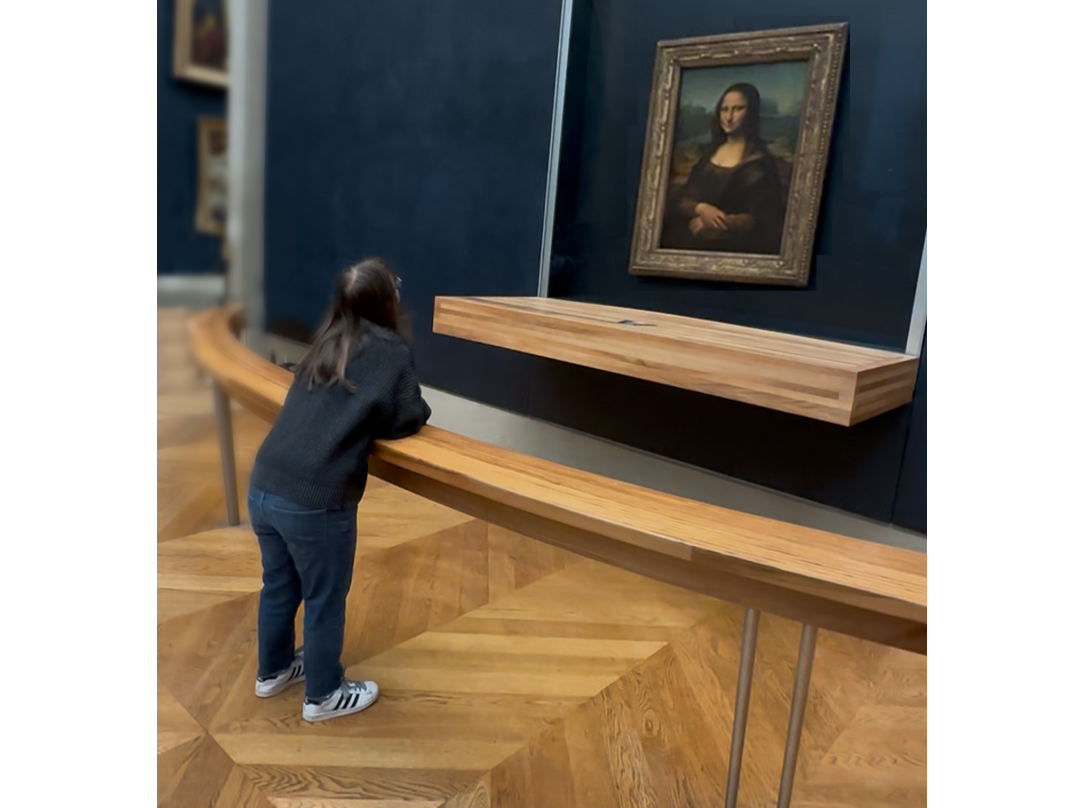
In this episode, we’re talking about travel and accessibility—what’s actually available, what we’ve learned the hard way (and the helpful way), and the questions that come with it. Fresh off an international trip, Heather shares real-life stories of navigating airports, museums, and public spaces with accessibility services—and realizing oh… this changes everything. Also, turns out you might not need to stand in that two-hour line. Just saying. We also wrestle with the bigger question: Should we use these services if our kids can do it without them?
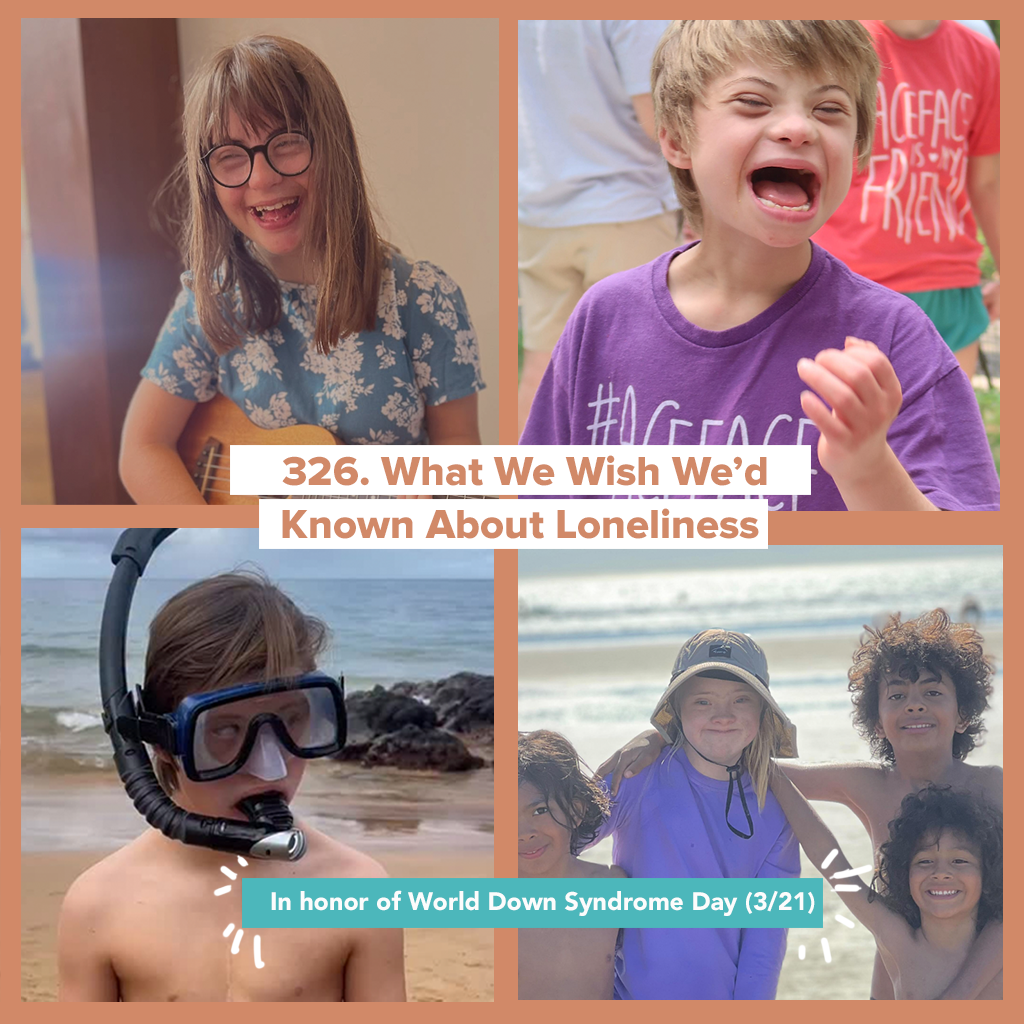
In this episode, we continue our What I Wish I’d Known series in honor of World Down Syndrome Day (3/21) and this year’s theme: Together Against Loneliness.
When we first became parents of children with Down syndrome, no one talked to us about loneliness.
Not the loneliness that can come in high school. Not when siblings leave. Not when friends start driving. Not when graduation comes — and the path forward feels unclear. Not when your child is included, but still isolated.
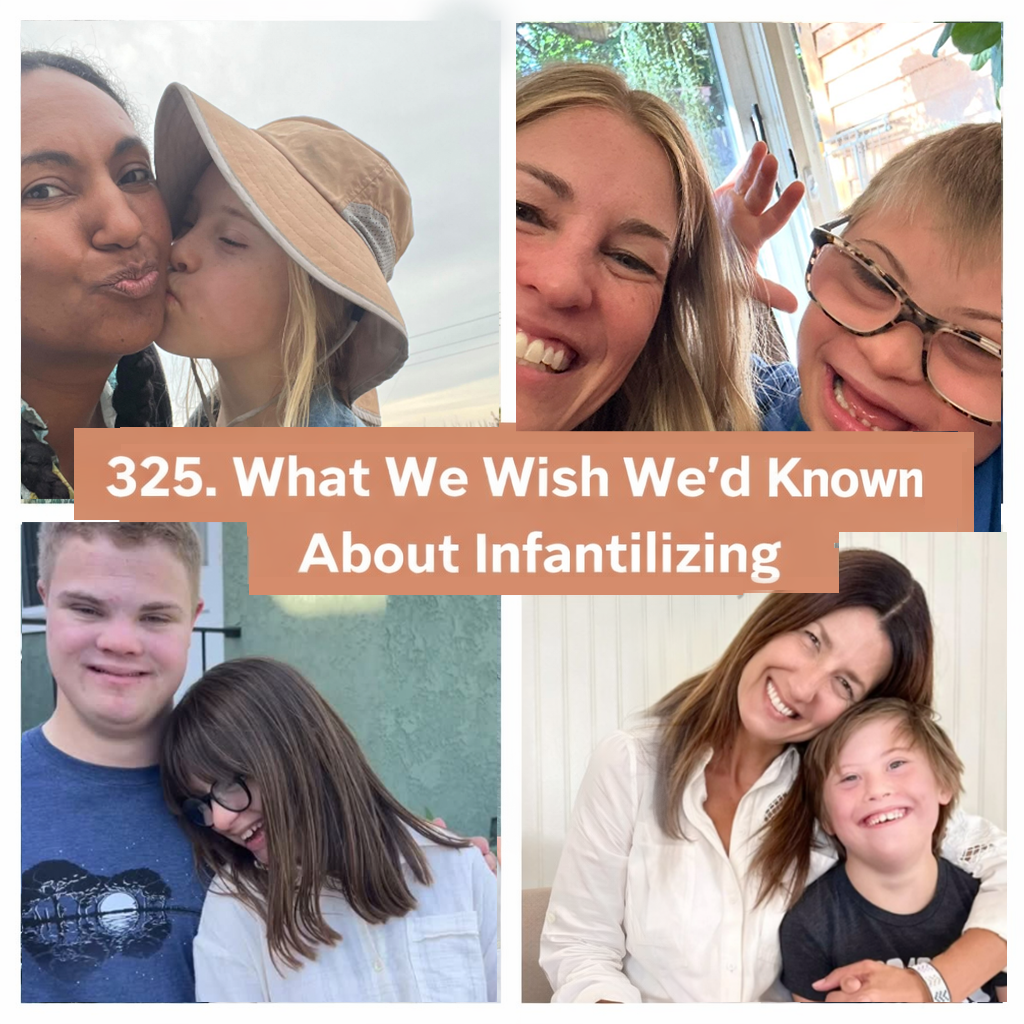
To infantilize someone is to treat them as younger or less capable than they are. For people with disabilities, this often shows up in subtle but harmful ways: baby talk, lowered expectations, behavior plans for age-appropriate teen behavior, speaking about someone as if they aren’t in the room, or limiting choices because we assume immaturity.
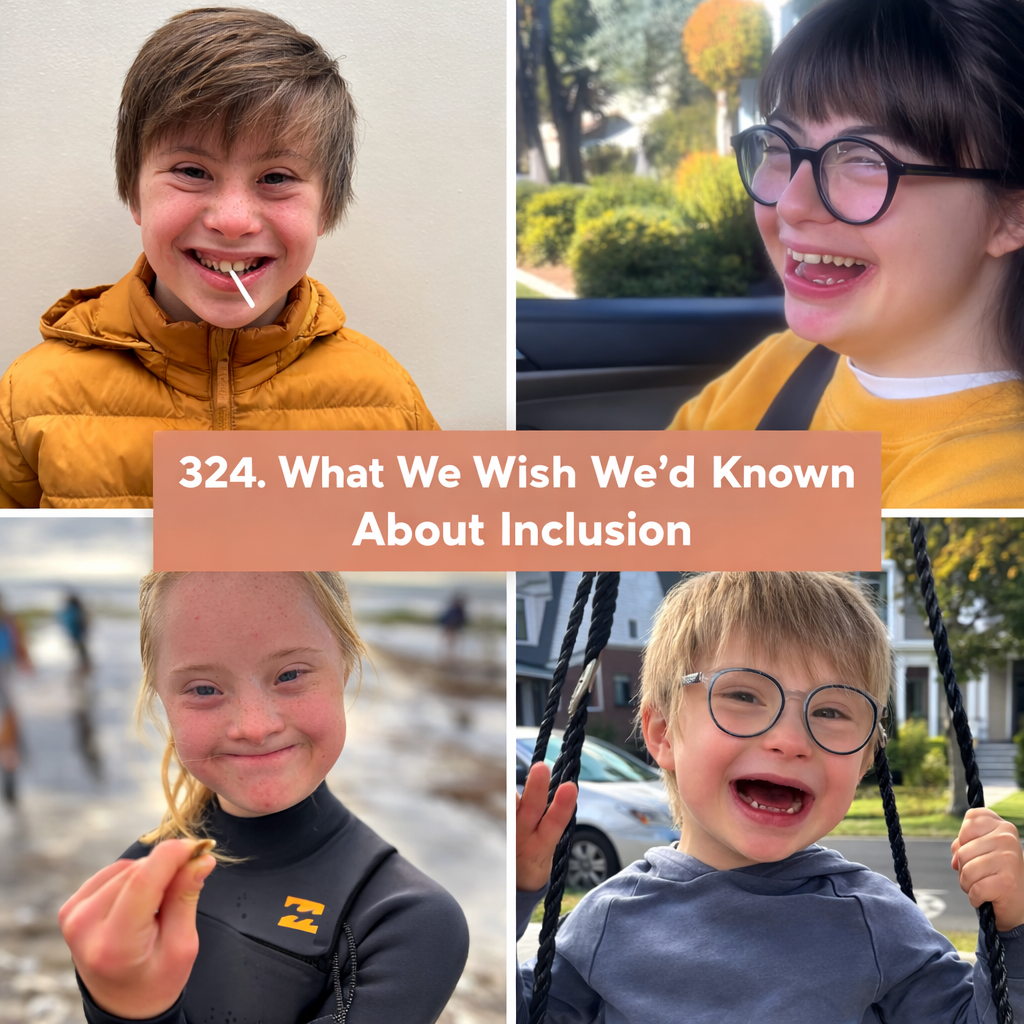
In this episode of The Lucky Few Podcast, we continue our What I Wish I’d Known series by talking about inclusion — and being honest about how it actually feels. When we hear the word inclusion, we don’t immediately feel hopeful. We feel heaviness. Process. Fight. Sometimes discouragement.
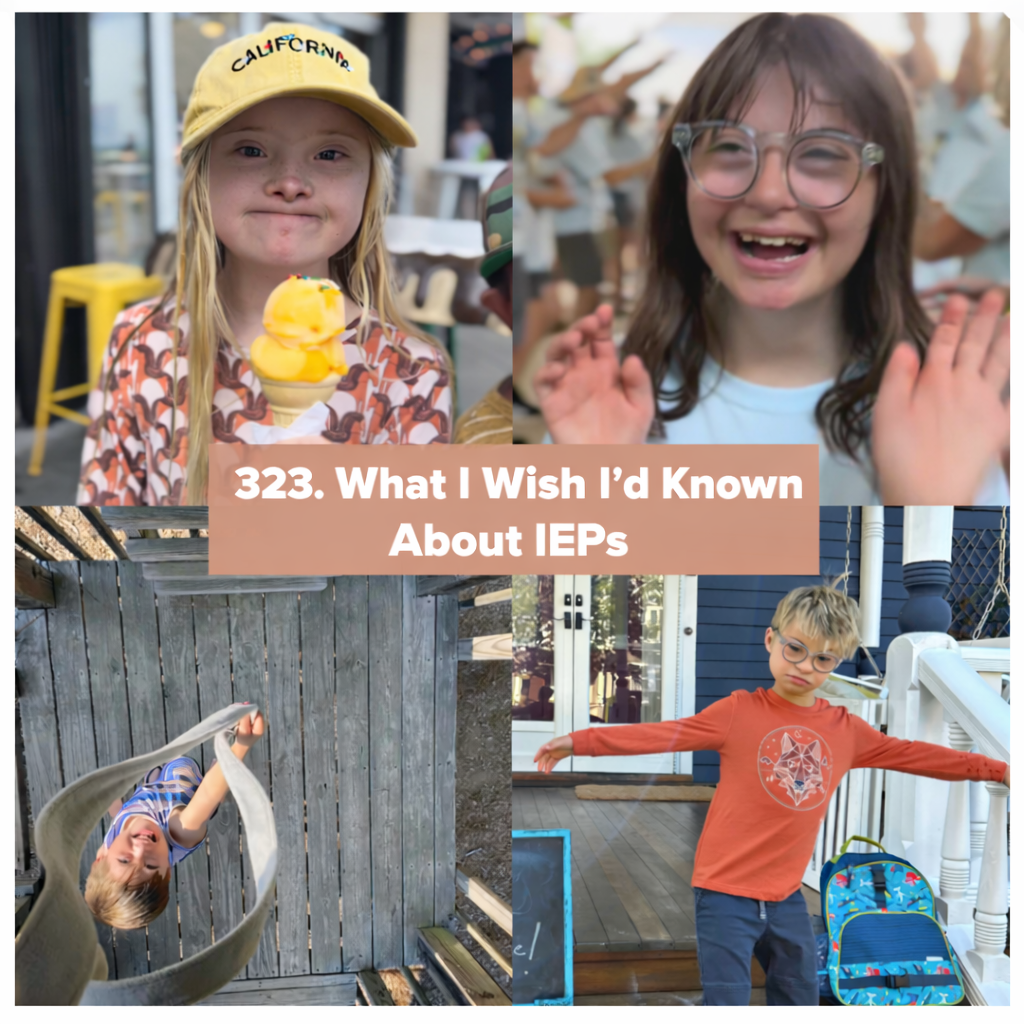
EPs can feel overwhelming, emotional, and complicated—and that’s because they are. In this episode of The Lucky Few Podcast, we kick off our new season, What I Wish I’d Known About…, by talking about IEPs—what we wish we understood from the very beginning, and what we’ve learned the hard way.
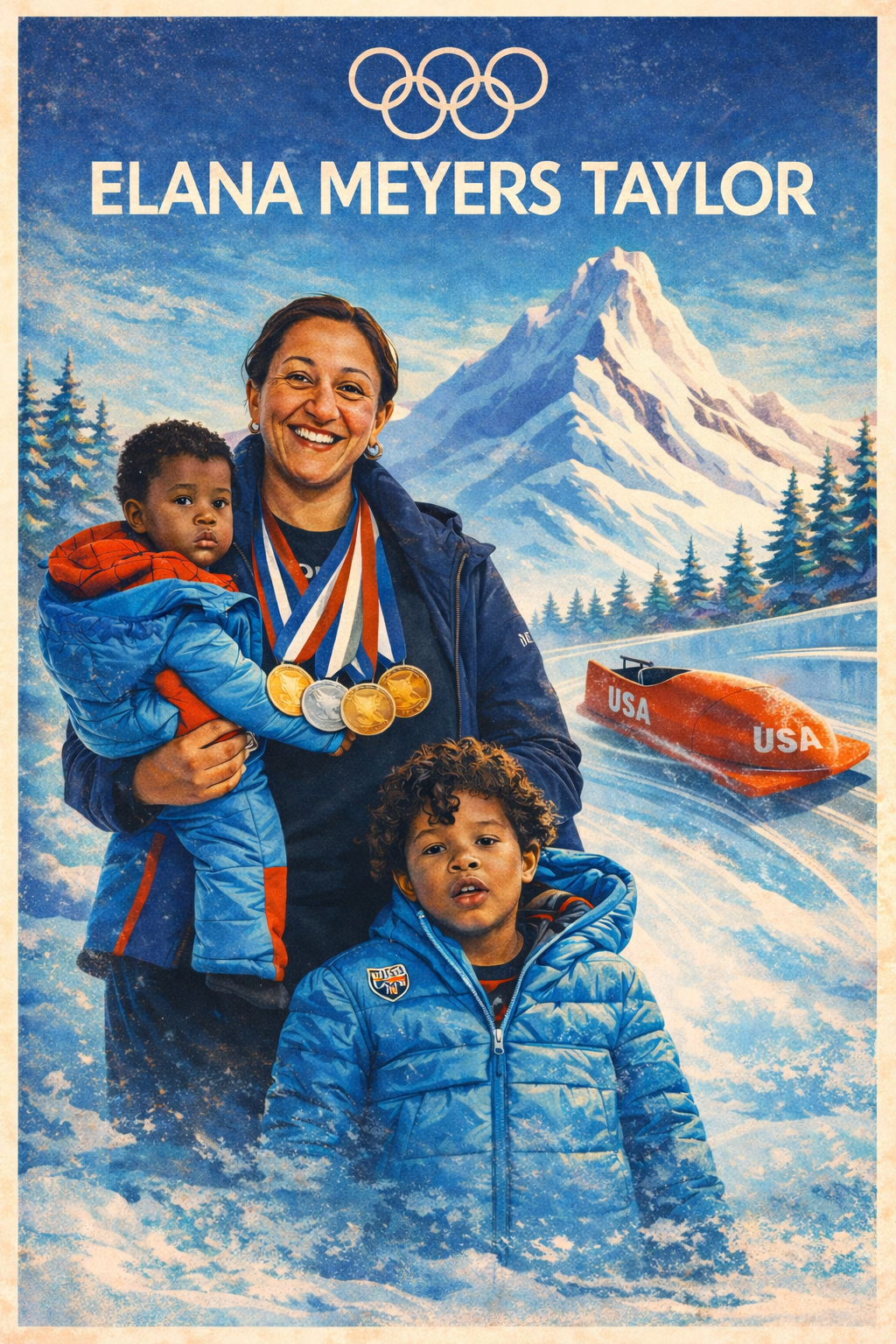
Elana Meyers Taylor is a five-time Olympian and one of the most decorated athletes in winter sports history. She has earned one gold, three silver, and two bronze Olympic medals for Team USA, and is a four-time World Champion, with two gold medals in both the two-woman and mixed team events. She is also the most decorated Black winter Olympian of all time.

Today we’re diving deep into the way our children communicate! We’re asking some difficult but important questions about how we support their speech and language. How do our kids feel when people cannot understand their speech? How do they feel when we, as their parents, cannot understand their speech? How are we supposed to implement all the speech therapy tools? When is it time to just focus on one area of growth for our kids? How do our kids use “self-talk” to share stories and self-soothe?
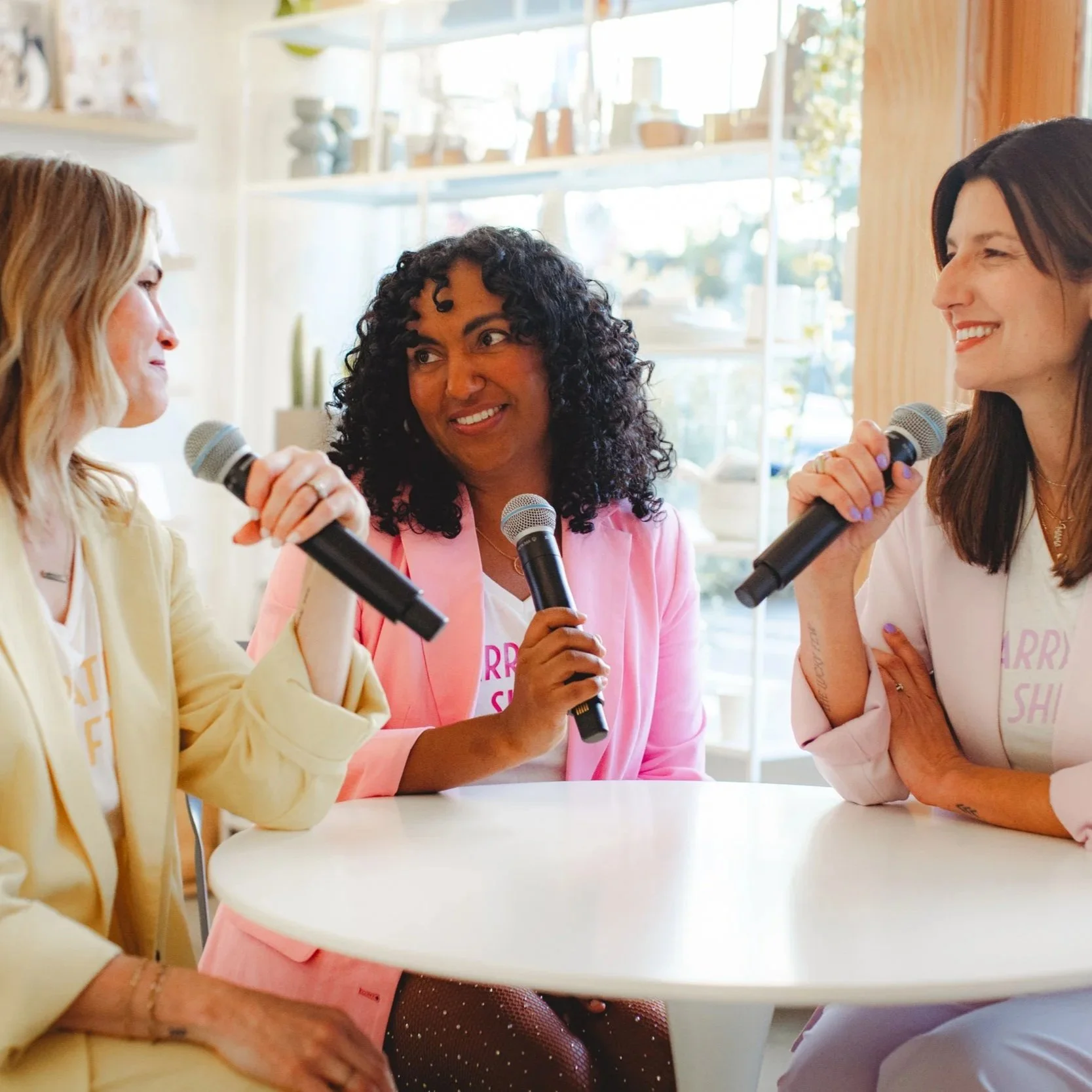
Today we’re diving deep into the way our children communicate! We’re asking some difficult but important questions about how we support their speech and language. How do our kids feel when people cannot understand their speech? How do they feel when we, as their parents, cannot understand their speech? How are we supposed to implement all the speech therapy tools? When is it time to just focus on one area of growth for our kids? How do our kids use “self-talk” to share stories and self-soothe?
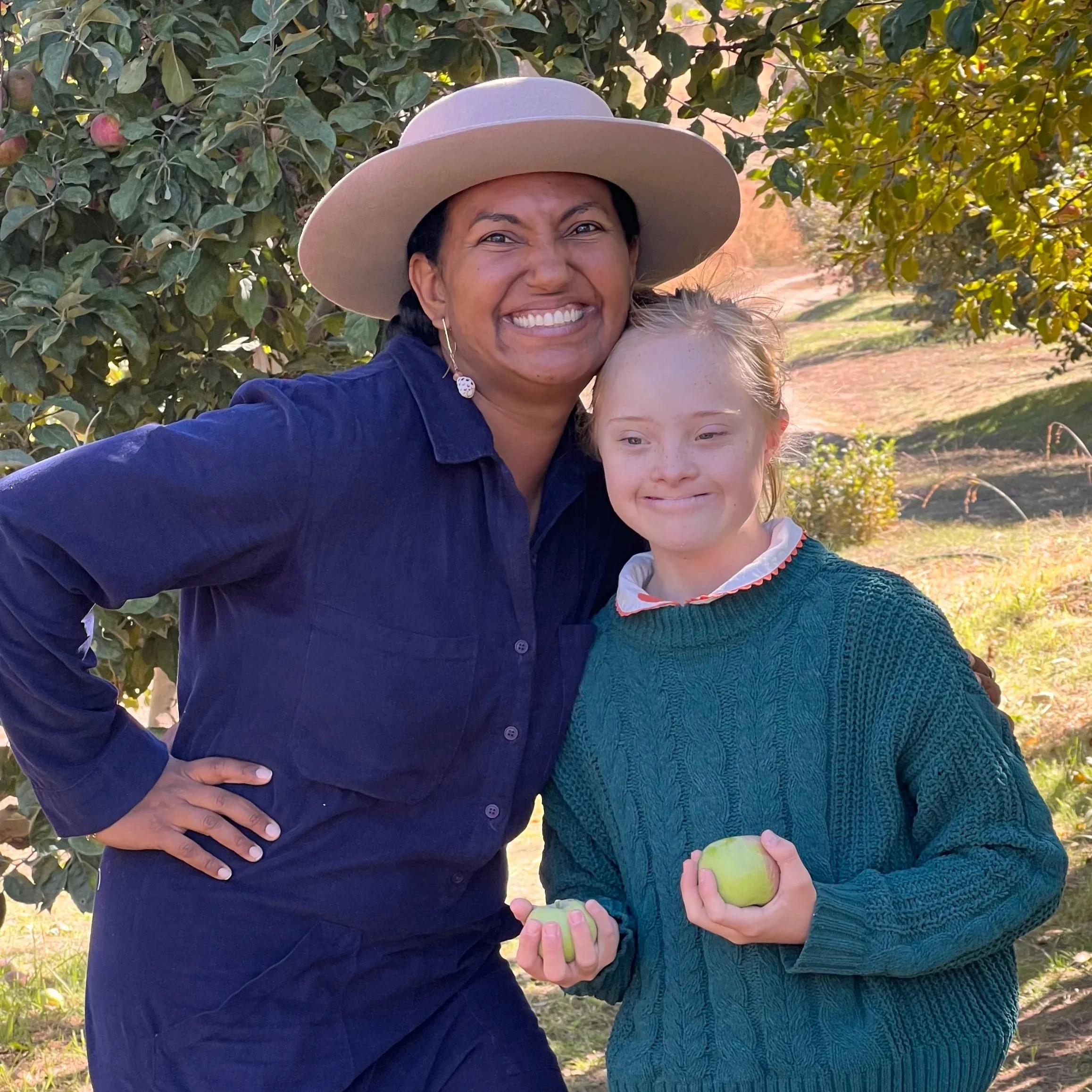
Jennifer Gray is a certified speech language pathologist with over 20 years of experience working with the Down syndrome community. Today we’re asking her all the questions we’ve forgotten to ask our children’s own speech therapists. If you’re a caregiver hoping for guidance or a speech therapist interested in treating individuals with DS, this episode is for you!

Last week we sat down for an interview with trauma expert Dr. Karyn Harvey and today the three of us are unpacking all of our feelings about it. We’re asking ourselves some pretty heavy questions about trauma and intellectual disability. Here’s what we know for certain: our children with intellectual disabilities understand when they are being excluded. And it’s our job to remind them just how incredibly lucky this world is to have them in it.

Dr. Karyn Harvey is a psychologist, author, trainer, speaker, and EXPERT in the field of psychology, intellectual disability, and trauma. Have you ever thought of the trauma that individuals with intellectual disabilities face each day? The examples are endless.. a negative diagnosis experience, being excluded, or even being placed in an institution.
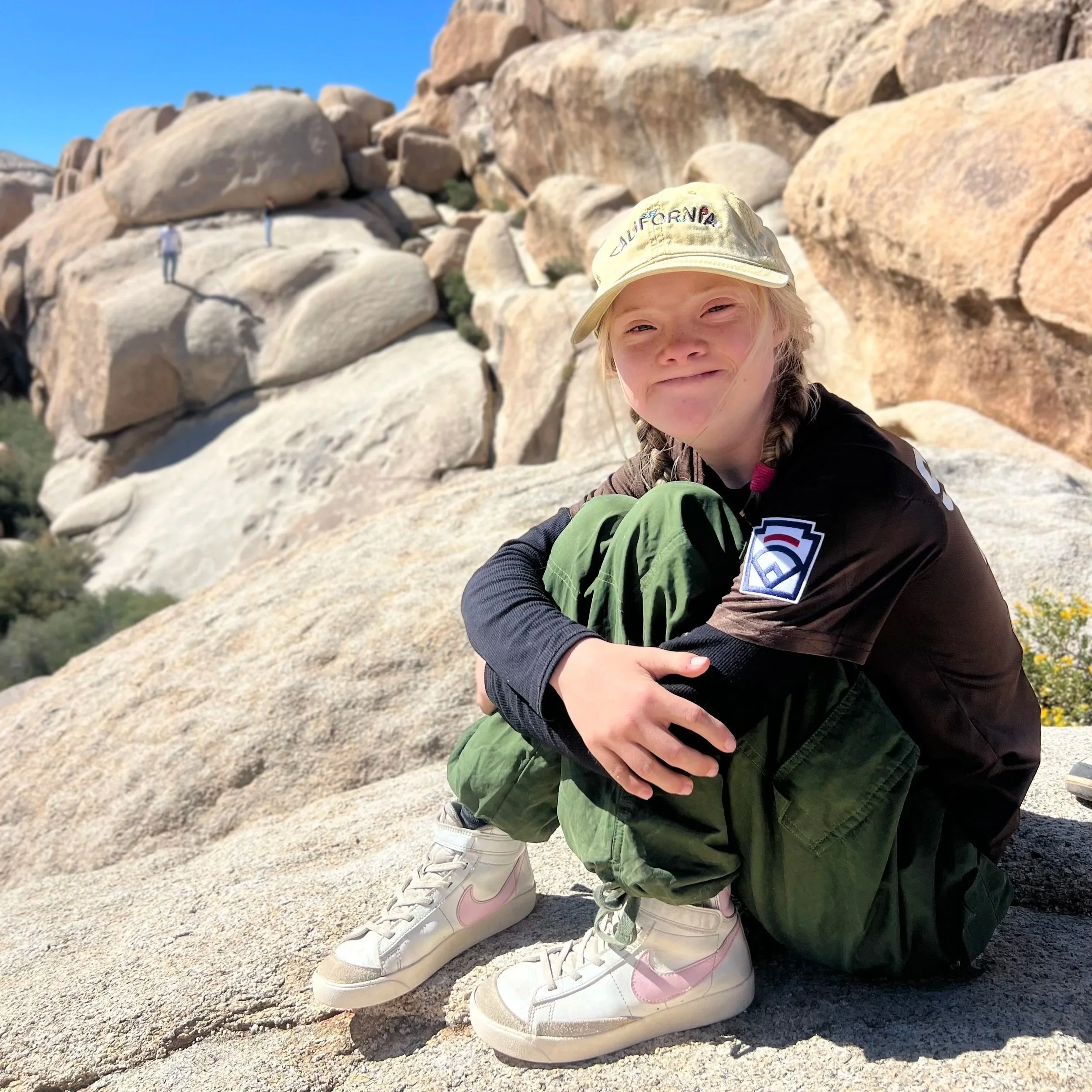
Last week we had an important conversation with Dr. Michael Rafii all about the link between DS and Alzheimer’s disease. If you’re still processing everything you learned from that interview, that’s okay. Sit down with the three of us + our good friend Kandi Pickard (CEO of the National DS Society) and we’ll talk through it together!

As we continue this season on brain health, we need to dive deep into the link between Alzheimer’s disease and Down syndrome. It’s not an easy topic.. and that’s why we are so grateful to have Dr. Michael Rafii with us. He’s a physician-scientist whose research focuses on developing treatments for Alzheimer’s disease including a genetic form that occurs in people with Down syndrome. Dr. Rafii is breaking down this important conversation for us today.

Last week, we heard from motor planning expert, Brooke Poston, so today the three of us are diving deep into our experiences of apraxia with our own children! When are children aren’t cooperating, is it actually a behavior problem or an apraxia challenge? Do they need ABA therapy or motor coaching? How can we implement these motor planning techniques all day every day? Knowing what we know now, how can we offer more grace to our children when they appear dysregulated and/or uncooperative?

Have you ever found yourself asking your child to do the same thing over and over again? Why won’t they just stand up and put their shoes on? Why do they hit so often for what seems like no reason? Today is your crash course in motor planning and apraxia, where we’re diving deep into how the brain + body connection impacts behavior. We have Brooke Poston (Clinic Director and Spellers Method Practitioner) on the show to answer all of our questions.

Ellie Goldstein is the first person with Down syndrome to ever be on the cover of British Vogue. She’s also the first person with DS to ever be on the show, “Strictly Come Dancing” — basically UK’s equivalent of “Dancing With The Stars!” Naturally, the internet has A LOT of opinions about it. Today we’re diving into a Facebook post full of ableist comments disguised as empathy. This is a good one, friends! We’d love to hear what you think!

Welcome to a new season of the podcast and happy Down Syndrome Awareness Month! Or should we say DS Acceptance Month?! The advocacy language has definitely changed over the years. Lets talk about it. No matter how you’re celebrating (or not!) this month, we are cheering you on! Remember that your existence is your advocacy. And we are cheering for you!

Today we’re talking about the people and places where we can keep our shoulders down and know that our children with Down syndrome will be accepted no matter what. Join us as we chat about our stories of how we first connected with the DS community, plus online connections vs in-person connections. Then check out the DSDN app, your go-to spot for connections with other lucky mamas!

Having a child with Down syndrome means you’re always learning about something new! And today’s topic is: oral facial myofunctional therapy.. a technique used to improve the way our mouth and face muscles work! We have Irene Iskander (dental hygienist + lucky mama) on the show today to answer all of our questions.
“Presume competence” is a phrase we hear often in the disability community. But what does it mean when someone also needs significant support?
This week, Heather and Micha talk through the tension between believing there may be more happening than we can see and honoring a person exactly as they are. They share stories about school routines, communication, reading, and friendship—and ask what changes when we lead with curiosity instead of assumptions.