
328. What We Wish We'd Known About AAC (Augmentative & Alternative Communication).
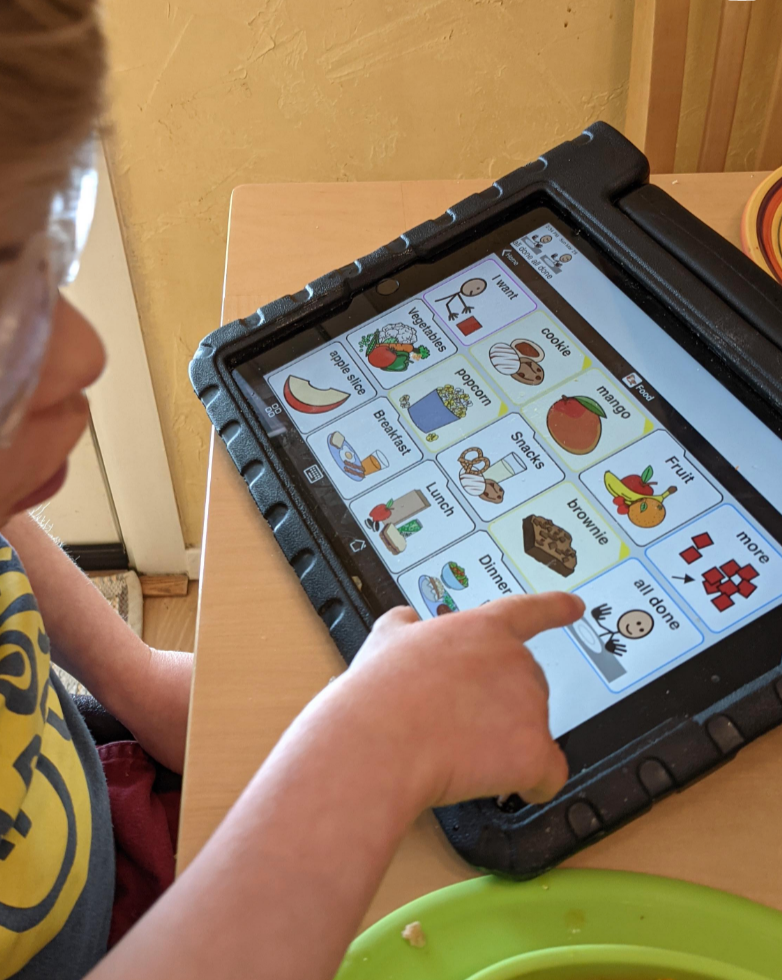
In this episode of The Lucky Few Podcast, we continue our “What We Wish We’d Known” series with a real and honest conversation about AAC (Augmentative & Alternative Communication) - Supporting Communication Without Limiting It
Micha shares her journey with her son Ace and how her understanding of AAC has evolved over time—from treating it like a therapy tool to recognizing it as a language and a way of life. Along the way, we talk through common misconceptions, frustrations, and the mindset shifts that can make all the difference.
If you’ve ever wondered whether AAC is “right” for your child—or felt unsure where to start—this episode is a grounded place to begin.
What We Cover
What AAC actually is—and why it’s for more kids than people think
The shift from testing communication → modeling communication
How to get started (IEP, evaluations, and real-world barriers)
Key Mindset Shift + Takeaways
AAC isn’t a tool you bring out for practice—it’s a language you live in.
That means modeling instead of requiring, assuming competence even when it’s hard to see, and remembering that communication is about connection—not just requests. For many kids, the challenge isn’t understanding—it’s motor planning. And like any language, AAC only works when it’s used consistently in everyday life, not just during therapy or structured time.
Links:
AbleNet https://www.ablenetinc.com/ Torganization mentioned in the episode for helping families get AAC devices (including working with insurance).
Mercedes’ “third class Titanic” photo reference (watch here):
Let’s Keep the Conversation Going
Are you using AAC with your child? Thinking about it? Struggling with it?
We’d love to hear what’s working—and what’s not.
Find us on Instagram: @theluckyfewpod
CONNECT WITH THE PODCAST
CONNECT WITH HEATHER AVIS
WEBSITE: THE LUCKY FEW OFFICIAL
CONNECT WITH MERCEDES LARA
CONNECT WITH MICHA BOYETT
DISCOUNT CODE
Friends, grab your narrative shifting gear over on The Lucky Few Merch Shop and use code PODCAST for 10% off!
HELP US SHIFT THE NARRATIVE
Interested in partnering with The Lucky Few Podcast as a sponsor? Email hello@theluckyfewpodcast.com for more information!